

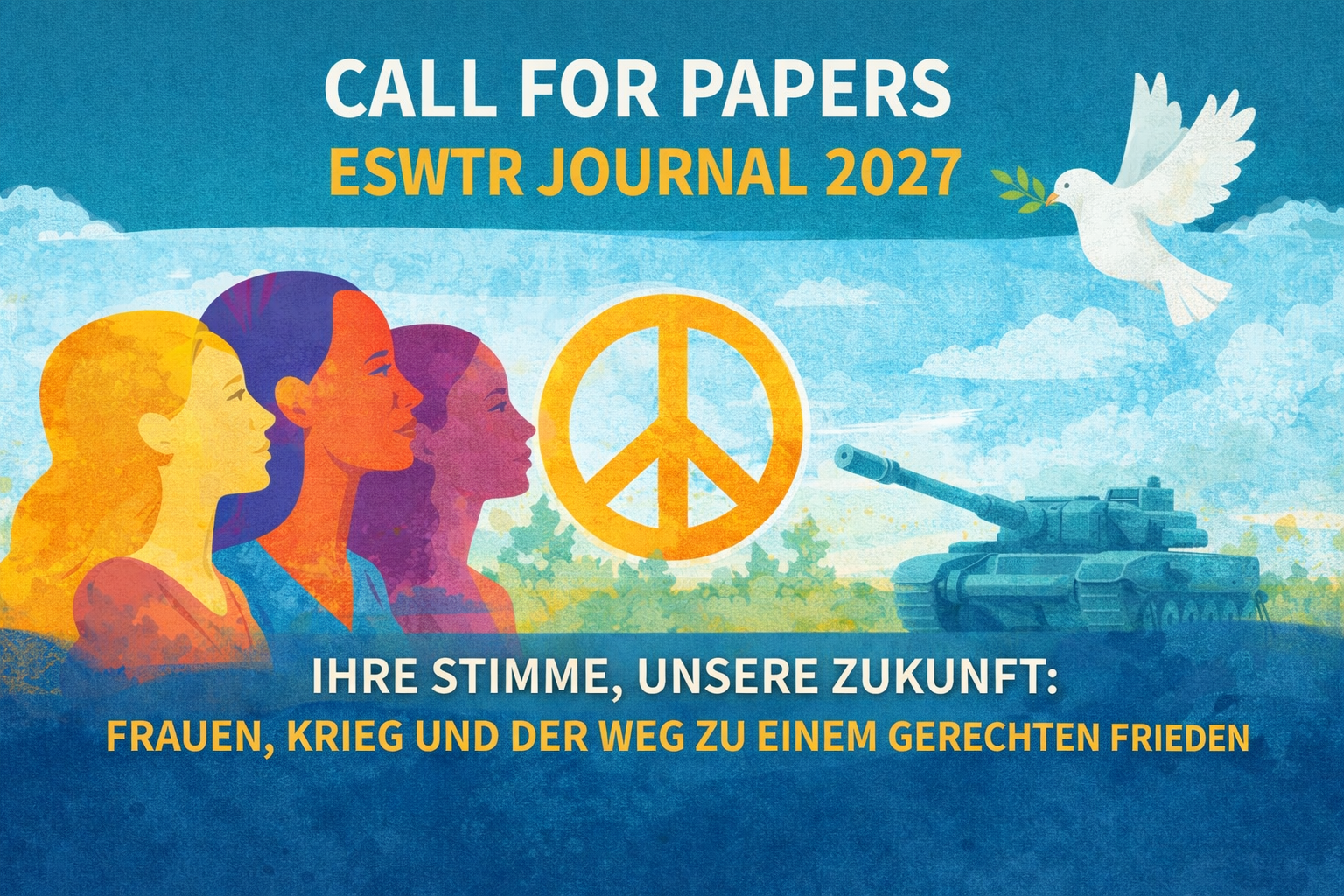
The early 2020s have seen a rise in international conflicts. Russia’s full-scale invasion of Ukraine in February 2022, the Hamas attack on Israel in October 2023, Israel’s subsequent war on multiple fronts in Gaza, Lebanon, Yemen and Iran, and the U.S. strikes in Nigeria and Venezuela in the past December and January illustrate the point. These events not only cause great suffering but also challenge the international legal order and raise questions about the use of force, legal protections, and state authority in pursuing justice.
Religious discourse and argumentation play a significant role in justifying these wars. Women serve in vital roles in today’s international conflicts as soldiers, medics, peace activists, faith leaders, human rights lawyers, and community organisers. Their involvement redefines the pursuit of a just peace. Lay women and female religious leaders challenge the misuse of scriptures and faith beliefs to justify violence and engage in just peace efforts. In congregations, refugee shelters, and interfaith networks, they advocate for the sanctity of every life and human rights, organise prayers and humanitarian aid, and participate in cease-fire negotiations. Amid ongoing military aggressions, religion and gender remain central to the experiences of civilians and to the strategies that sustain them. Considering this, we invite scholars in Theology and Religious Studies to explore:
- The diverse experiences of women in war and displacement;
- The strategies women employ to preserve dignity and humanity under violence;
- Women’s spiritual authority and feminist peacebuilding in wartime;
- Emerging perspectives on modern warfare and women’s evolving roles;
- Women’s understandings of divine and secular justice;
- Gendered theological readings in wartime contexts.
We also welcome contributions on the religious and spiritual resources women use to build resilience, find meaning, and protect their humanity amid the atrocities. What hermeneutical questions arise in reading the Bible, Qur’an, or ecclesial traditions in the face of suffering and religiously justified violence? Which religious practices, such as rituals, devotions, liturgies, prayers, pilgrimages, and spiritual care, have emerged, been rediscovered, or transformed as distinctively women’s responses to war?
Contributions should not exceed 8,000 words and must include an abstract in the language of the article. Please also review the other requirements detailed in the style sheet at https://www.eswtr.org/en/style-sheet. Articles that disregard these guidelines will not be considered for peer review.
The deadline for submitting the articles is the 30th of November 2026. Contributions should be sent to the following email address:
The Journal also accepts reviews of books related to feminist theology and/or gender studies with theological relevance, which must be submitted by the deadline of 15th of March, 2027. The reviews should be sent to